About
Biography, timeline, and provenance notes
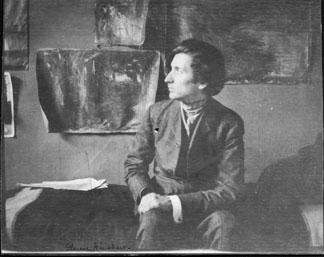
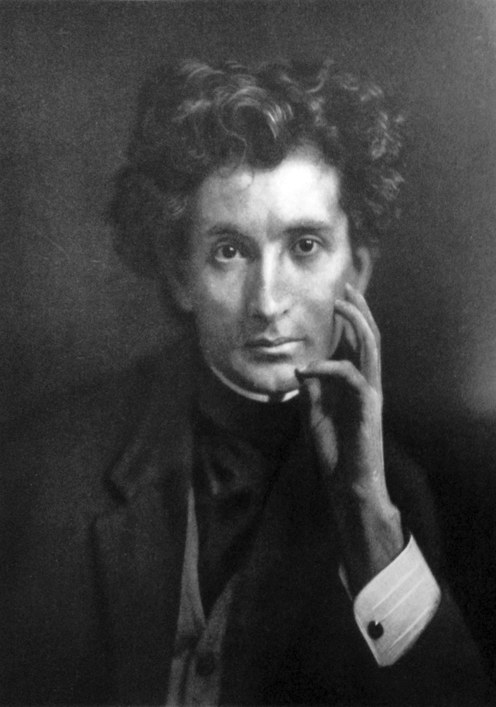
Biography
He came into the world as Arthur Glenn Hinshaw, born August 9, 1880, in the small town of Windfall in Tipton County, Indiana. The name we know him by took shape during his twenties and early thirties. The “Arthur” was gone by 1905, and Cooper, his mother’s family name, took its place in the middle. Around 1912 Hinshaw became Henshaw, and soon after World War I Glenn lost its second n, giving the final version: Glen Cooper Henshaw. He was said to be a descendant of Francis Scott Key.
As a boy he had nowhere to work until Dr. Joseph Weeks of Mechanicsburg, Indiana, let him use the upper room of his office. There he sketched, tried his hand at painting and made crayon portraits of the villagers. It was largely through the doctor’s encouragement and help that he went on to study art. By the 1900 census, at nineteen, he was living with two aunts in Henry County and already gave his occupation as portrait artist.
When the John Herron Art School opened in Indianapolis in 1902, he was one of its first students, learning from J. Ottis Adams, Otto Stark and William Forsyth. He soon left for Europe to study at the Munich Academy under Carl von Marr, and by 1904 he was in Paris, attending the Académie Julian and the École des Beaux-Arts. A commission to illustrate a book of Charles Lamb’s essays later kept him in London for about two years.
In August 1905, back in New York, he married Olive Galencia, a Boston-born artist and sculptor who, like him, spent long stretches in Europe. Once settled in America, he kept studios in New York, Indianapolis and Chicago, and portrait commissions became his main living. In 1912 he painted the “Hoosier Poet” James Whitcomb Riley. His work was shown at the Art Institute of Chicago, the Corcoran Gallery, the Brooklyn Museum and the Addison Gallery of American Art. In the 1930s he settled in Baltimore, the city of Edgar Allan Poe, and his pictures took on a stranger, more fantastic quality, shaped in part by Poe and by Henshaw’s interest in the mystics. In 1941 he bought the Odd Fellows building in Nashville, Indiana, in the Brown County art colony, and spent his last summers painting there.
He made his name in the 1910s and 1920s with moody, atmospheric city scenes and portraits. Much of his work has a hazy, dreamlike feel, as if the scene is half remembered. By the late 1930s the art world had turned toward modernism, and critics paid less attention to painters like him, though he has always had his champions, especially in the cities where he kept studios and in Nashville, Indiana, where the Brown County Art Gallery still devotes an entire room to his work.
Olive died in New York in 1927, and on the last day of 1933 he married Carolyn Hastings. Henshaw died on April 5, 1946, of pneumonia following an operation at Union Memorial Hospital in Baltimore, and was buried in Windfall. The New York Times ran his obituary. He worked quickly, often finishing a picture in a few hours, and is remembered for atmospheric pastels and oils of city streets, harbors and faces. His widow, Carolyn, kept 85 of his works together as a memorial, and they became the heart of that Brown County collection. She also founded the Henshaw Memorial Trust to promote his art and, when she died in 1959, left her entire estate to fund it.
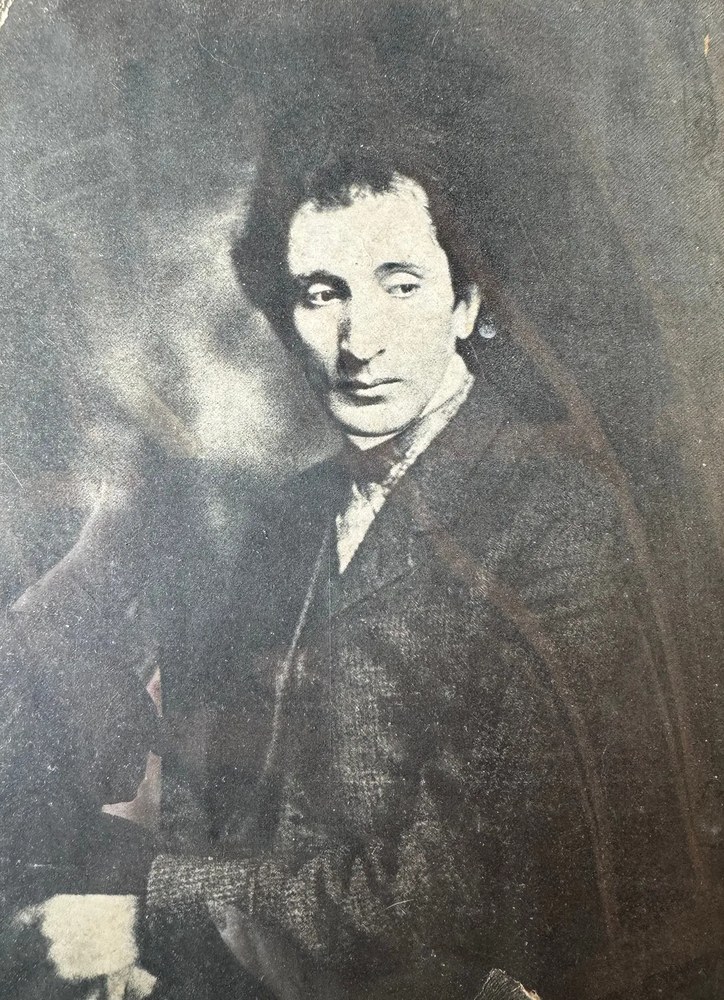
Timeline
- 1880: Born Arthur Glenn Hinshaw, August 9, in Windfall, Indiana.
- 1900: Listed in the census, at nineteen, as a portrait artist.
- 1902: One of the first students at the John Herron Art School, Indianapolis.
- 1902–1904: Studies under Carl von Marr at the Munich Academy.
- 1904: Moves to Paris; studies at the Académie Julian and the École des Beaux-Arts.
- By 1905: Drops “Arthur” and takes Cooper, his mother’s maiden name, as his middle name.
- 1905: Marries Olive Galencia, a Boston-born artist and sculptor, in New York.
- About 1906: Works in London, illustrating the essays of Charles Lamb.
- About 1912: Begins using the name Glenn Cooper Henshaw, shortened to Glen soon after World War I.
- 1912: Paints James Whitcomb Riley.
- 1914 on: Based in New York, with studios in Indianapolis and Chicago.
- 1927: Olive dies in New York.
- 1930s: Settles in Baltimore, Maryland.
- 1933: Marries Carolyn Hastings, December 31, in New York.
- 1941: Buys the Odd Fellows building in Nashville, Indiana, and summers in Brown County.
- 1946: Dies April 5 in Baltimore, of pneumonia after an operation; buried in Windfall.
- 1959: Carolyn dies, leaving her estate to the Henshaw Memorial Trust.
Provenance & Collections Notes
- South Bend Art Museum holds Hudson River Scene, gifted by Mrs. Glen Cooper Henshaw (Accession 1957.15.1).
- Art Museum of Greater Lafayette holds an early sepia drawing, Portrait of Richard B. Gruelle (1910).
- Numerous pastels have passed through auction houses including Rago/Spanierman and Fine Estate Art, several with Hoosier Salon exhibition history.
- A 1920 painting stolen from the Tipton County Public Library remains missing.